
Halswell Quarry The hole that helped build Christchurch
For 129 years stone was cut from this hillside. We explored what the quarry left behind, then followed the stone into Christchurch to find where pieces of the hill ended up.
We came looking for an old quarry. We ended up following a hillside across Christchurch.
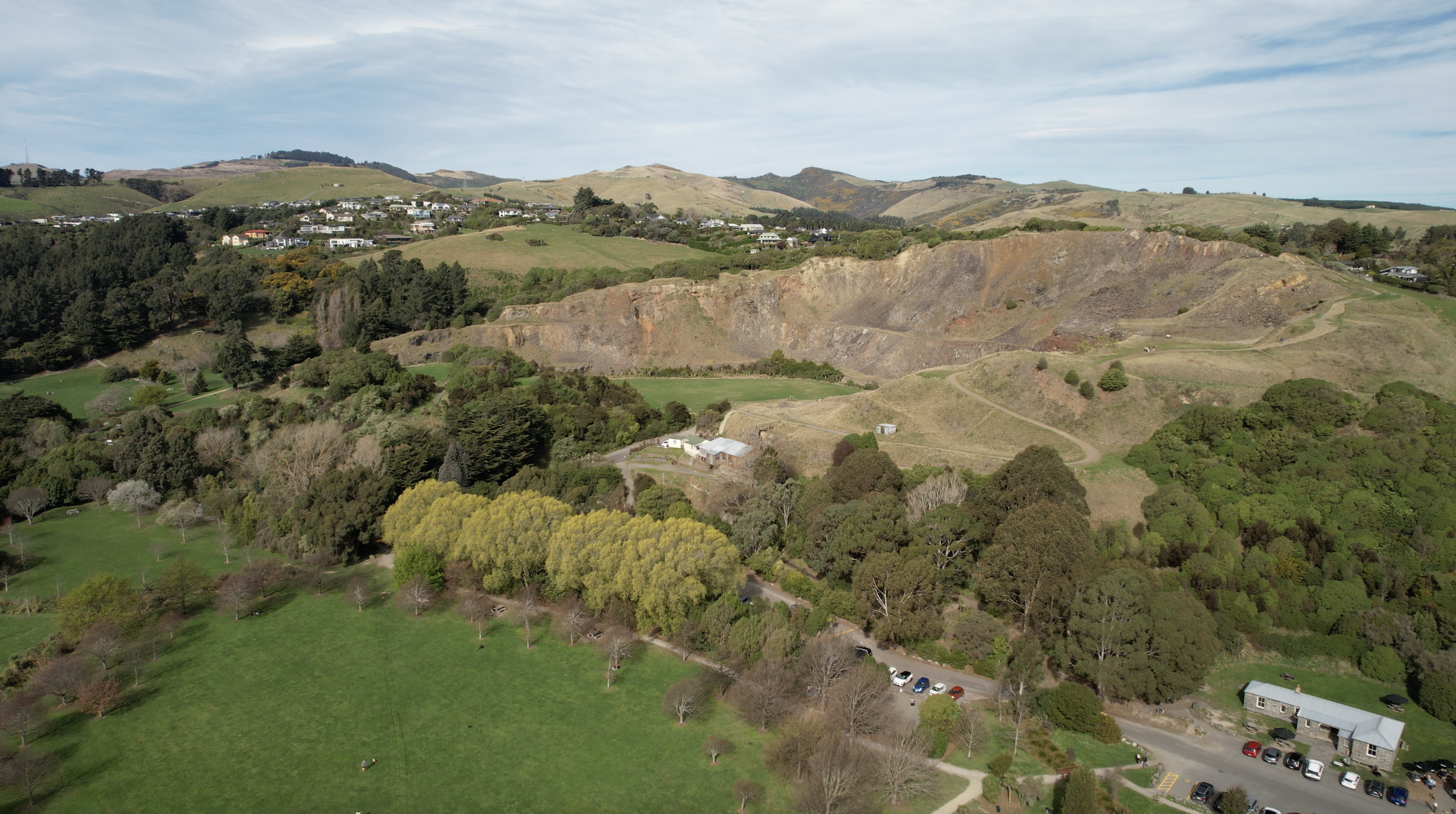
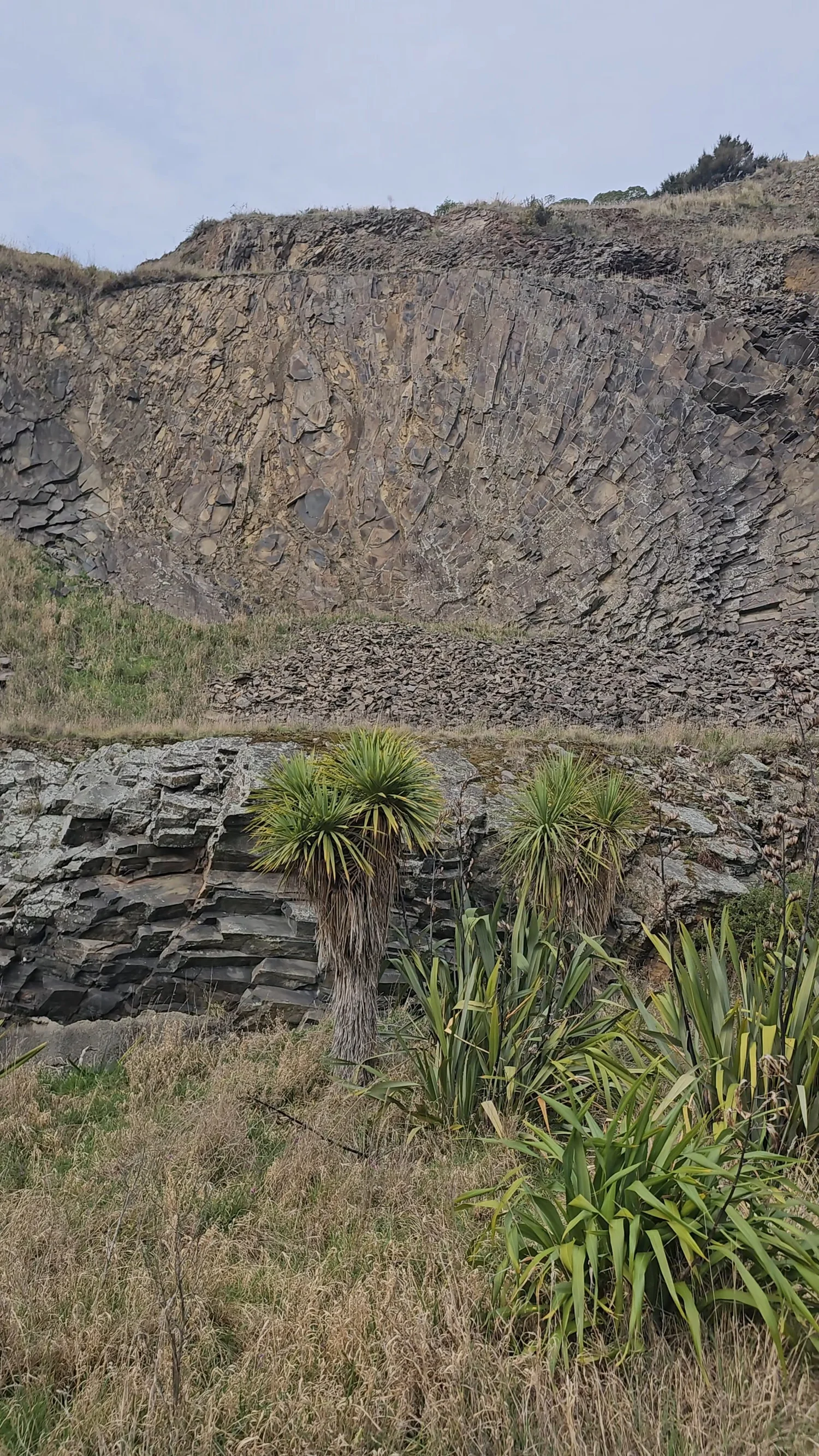
From inside the park, it is hard not to notice how much of the hill is simply gone.
At first we were looking for clues. Old rails, machinery, stonework, buildings and anything else that could show us how this place worked when it was still cutting rock.
The deeper we explored, the stranger the contrast became. One minute we were standing beside old quarry remains. The next we were walking through gardens connected to cities in Australia, England, China, Japan, Korea and the United States.
Then we climbed back above the quarry and really saw the scale of it. More than a century of work had reshaped the hillside.
Halswell Quarry Park today.
Main access is from Kennedys Bush Road.
A former working quarry transformed into a public park.
Walking areas and picnic spaces are spread around the park.
Off leash only in the designated exercise area.
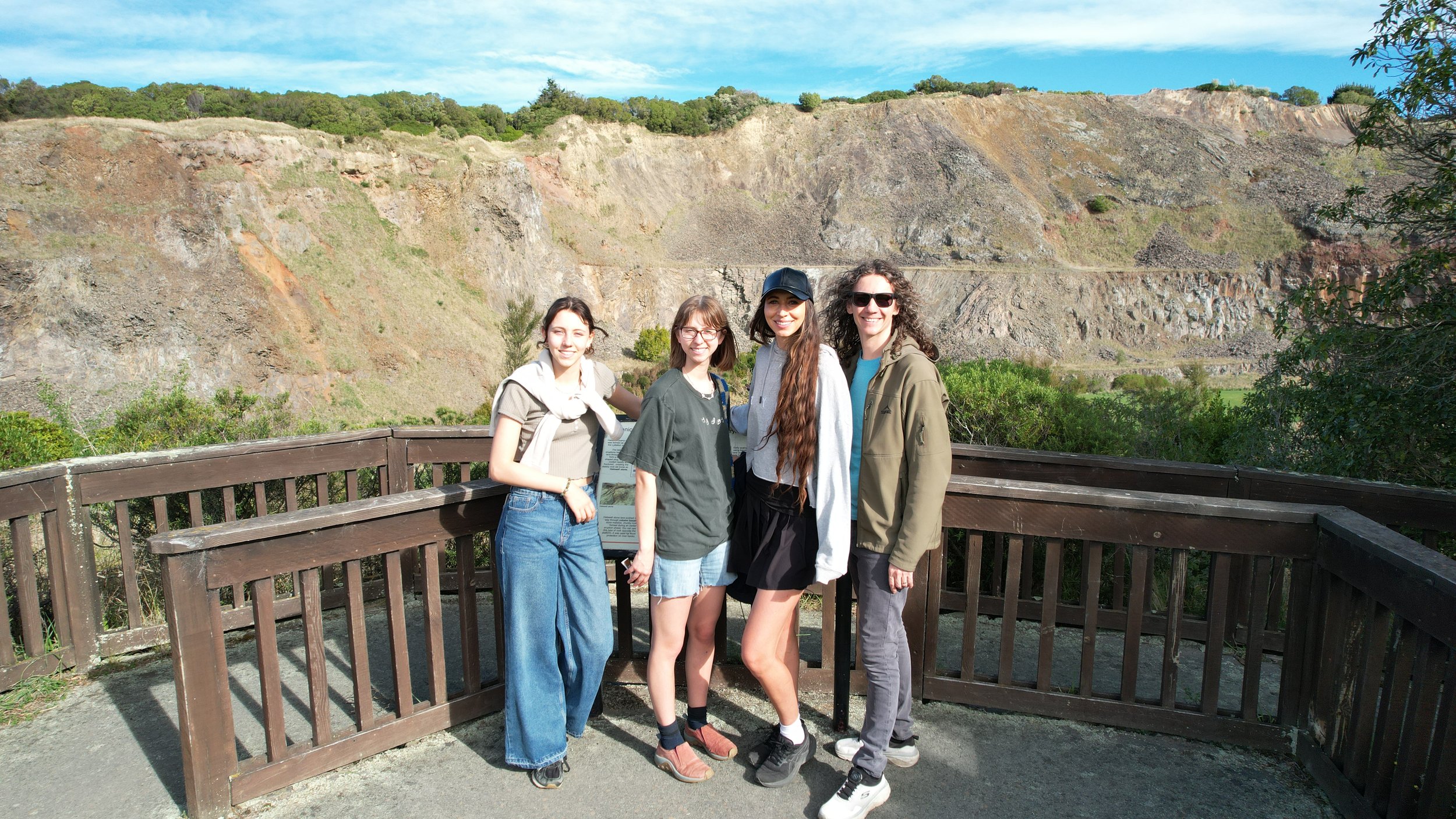
The hill did not just change.
A huge part of it disappeared.
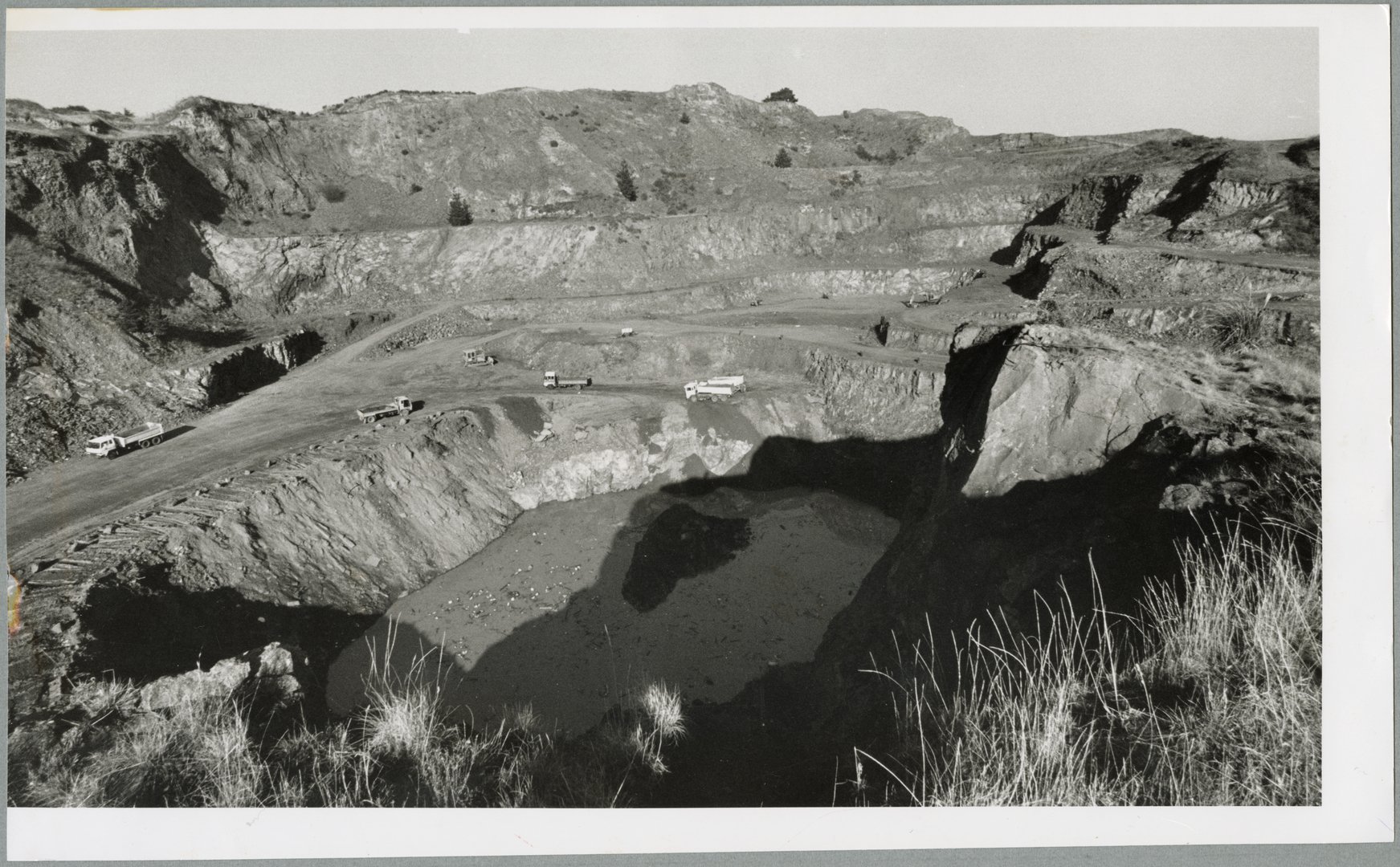
Quarrying progressively pushed the rock face farther back and the workings lower. Standing above it today makes the scale much easier to understand.
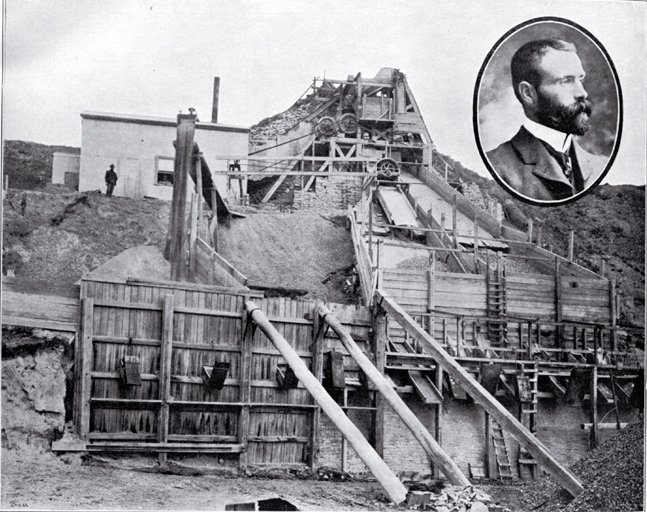
Stone, horses, crushers, steam and eventually trucks.
Halswell Quarry operated from about 1861 until 1990. Its dense basalt was cut for buildings and crushed in huge quantities for roads and other works around the growing city.
Quarrying begins
Commercial extraction of Halswell basalt begins at the hillside.
Wooden tramway
A tramway helps move stone away from the quarry toward Christchurch.
Mechanical crushing
Crusher machinery changes how large quantities of rock are processed.
More machinery
Mechanical equipment increasingly replaces the hardest manual work.
Council ownership
Christchurch City Council purchases the quarry company.
The quarry closes
The industrial site begins its next life as a public park.
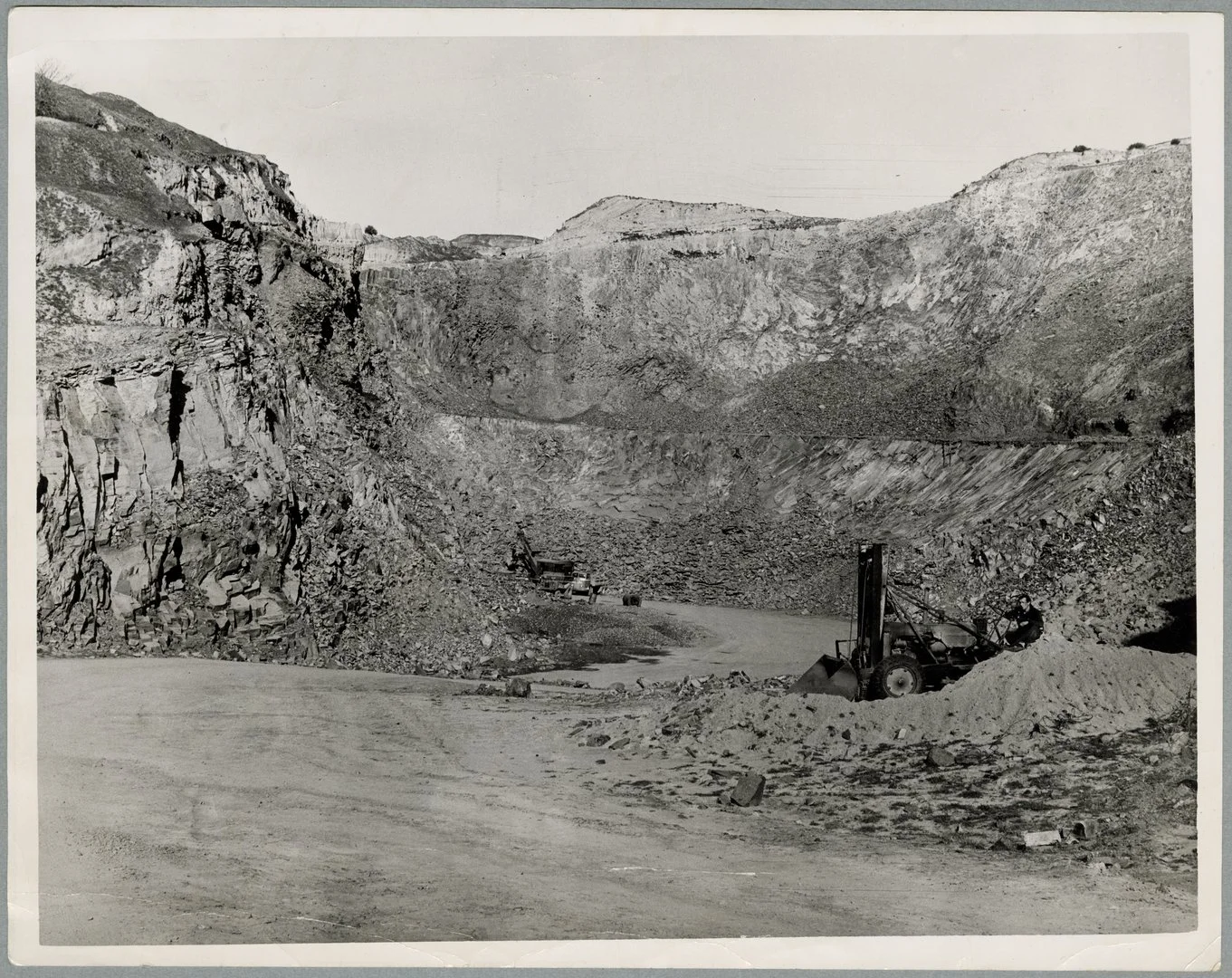
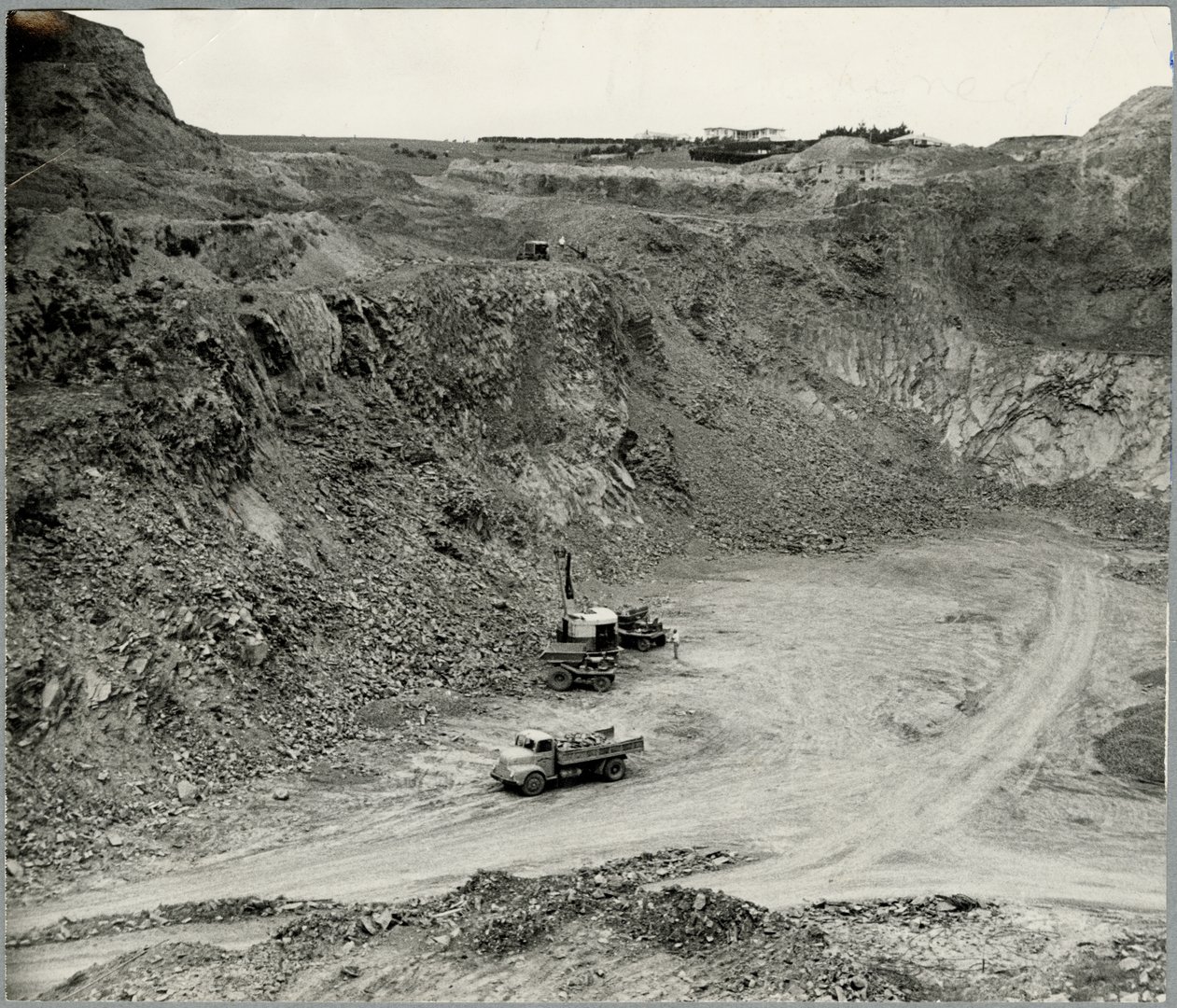
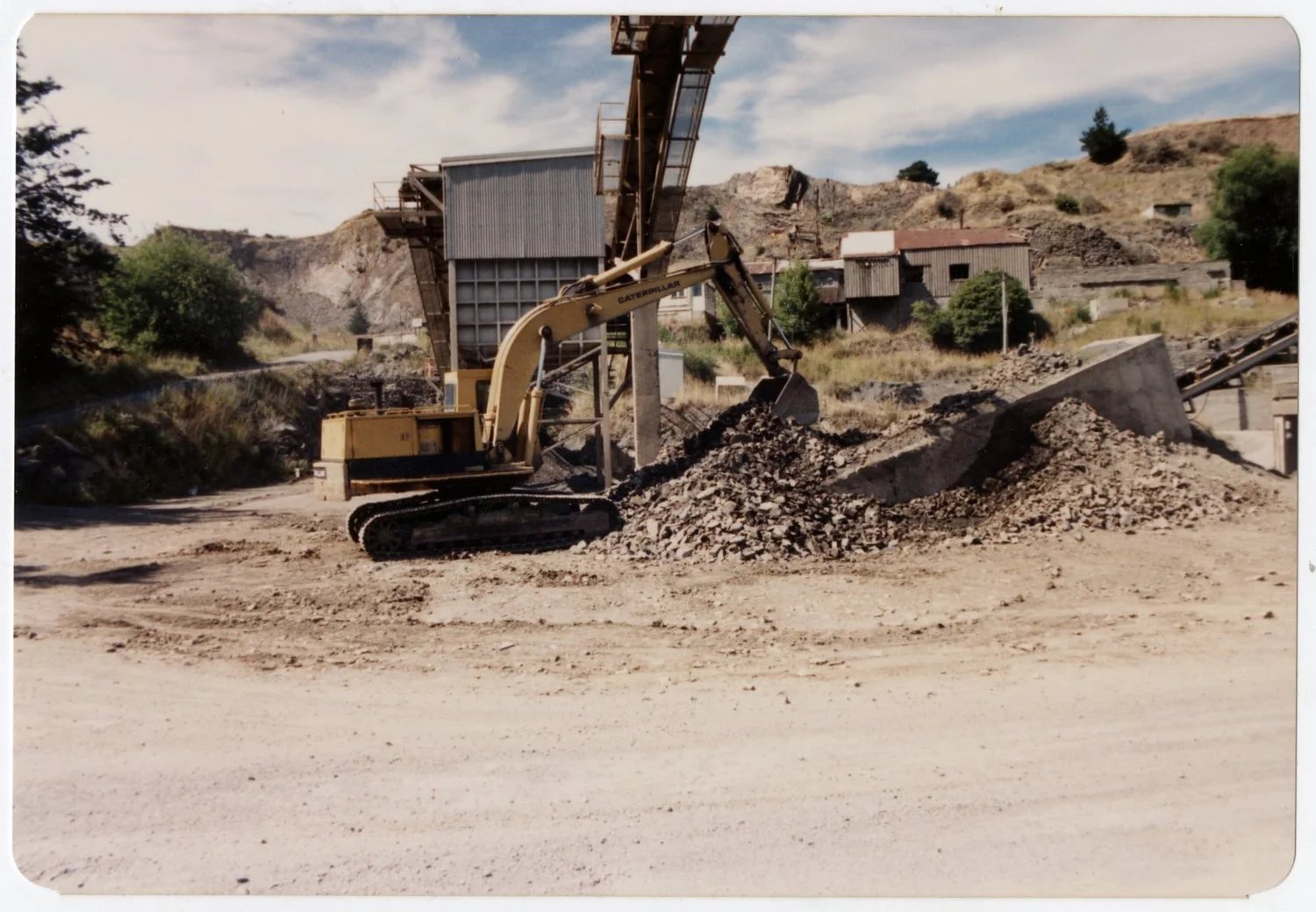
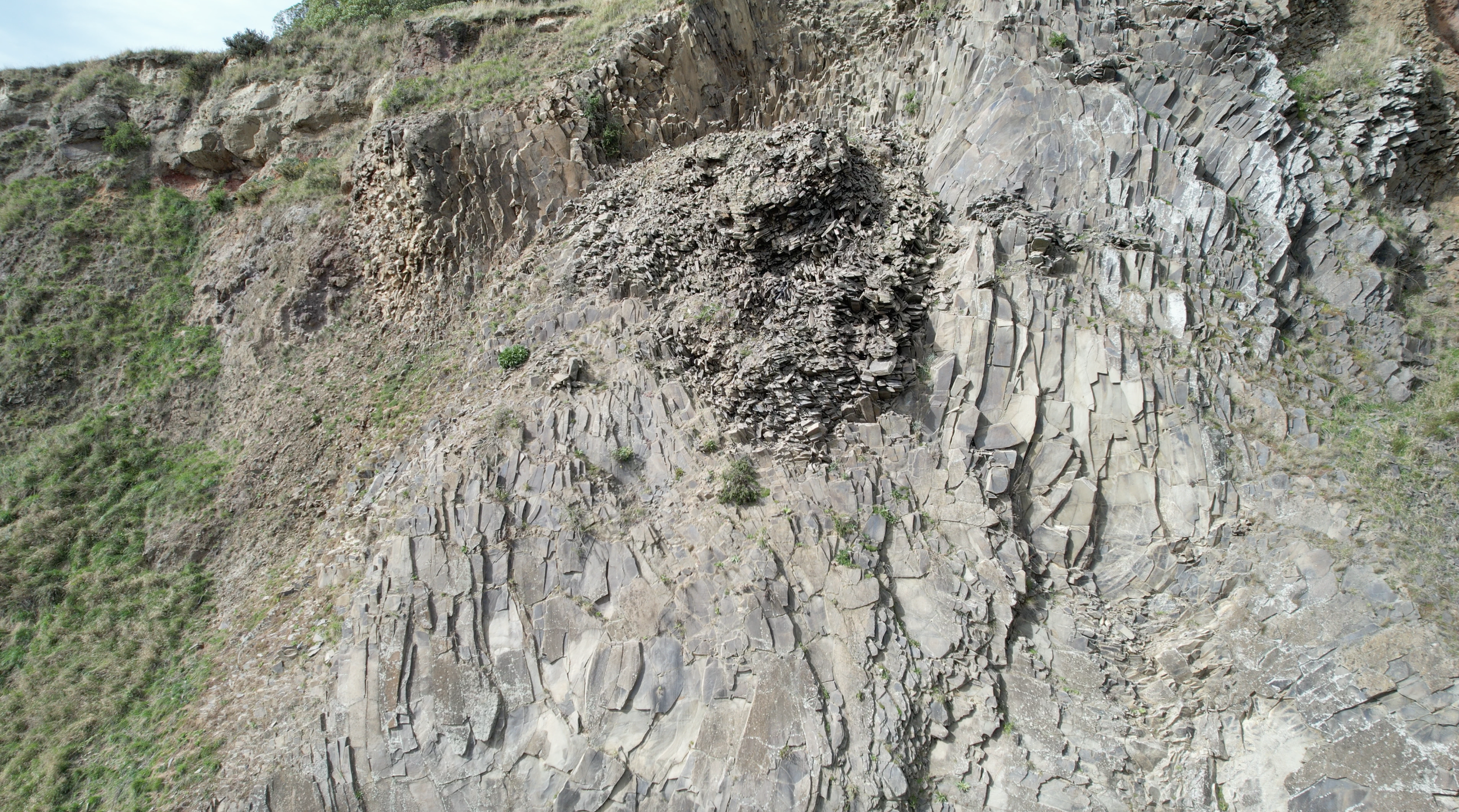
This is the rock that helped build Christchurch.
Halswell Quarry is known for its volcanic basalt, including the blue-grey building stone often called Halswell stone. Standing close to the exposed rock makes the whole story feel much more real than just reading dates on a sign.
The quarry stopped working. It did not erase itself.
Pieces of the industrial site are still scattered around the park.
We found old quarry structures, stonework, equipment and parts of the crushing operation.
The former single men's quarters is one of the best reminders that people did not just work here. Quarry life became part of their homes and families too.
Surviving heritage features include structures connected with the crusher operation and former quarry worker accommodation.
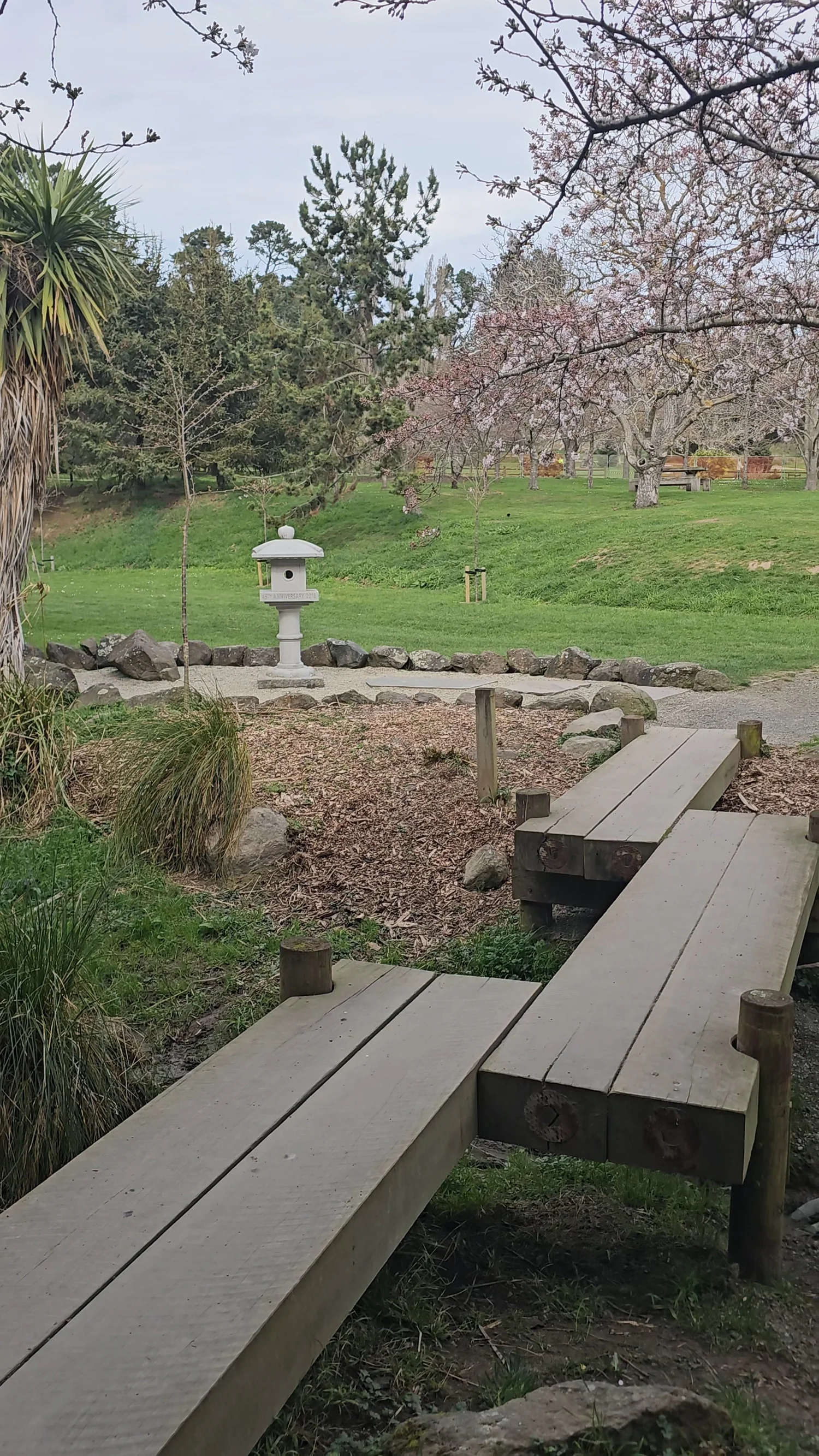
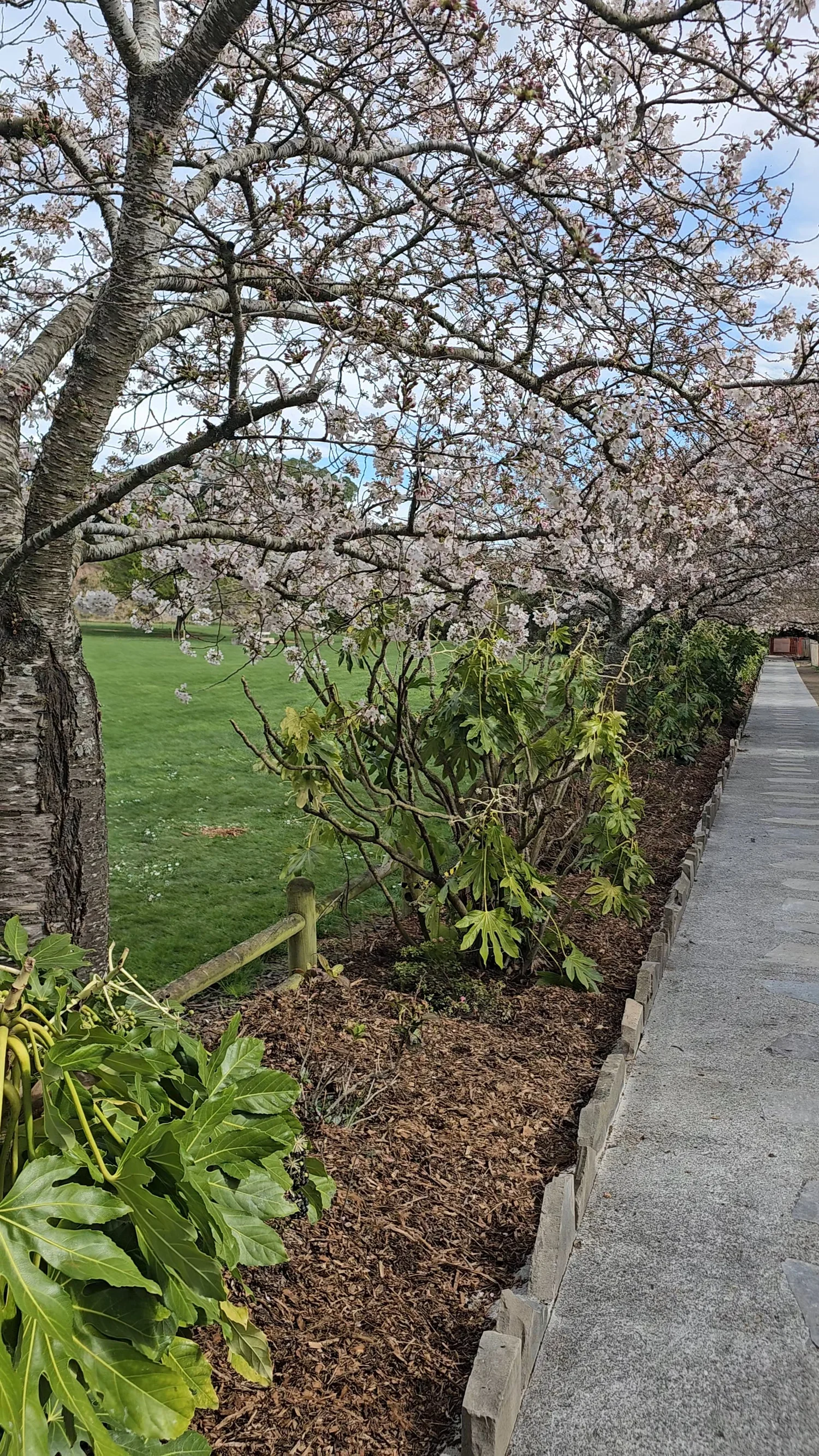
An old industrial quarry now holds gardens connected to cities around the world.
The Sister City Gardens turned out to be one of the biggest surprises of our visit.
Adelaide
South Australia
Christchurch
Dorset, England
Gansu Province
China
Kurashiki
Japan
Seattle
United States
Songpa-gu
South Korea
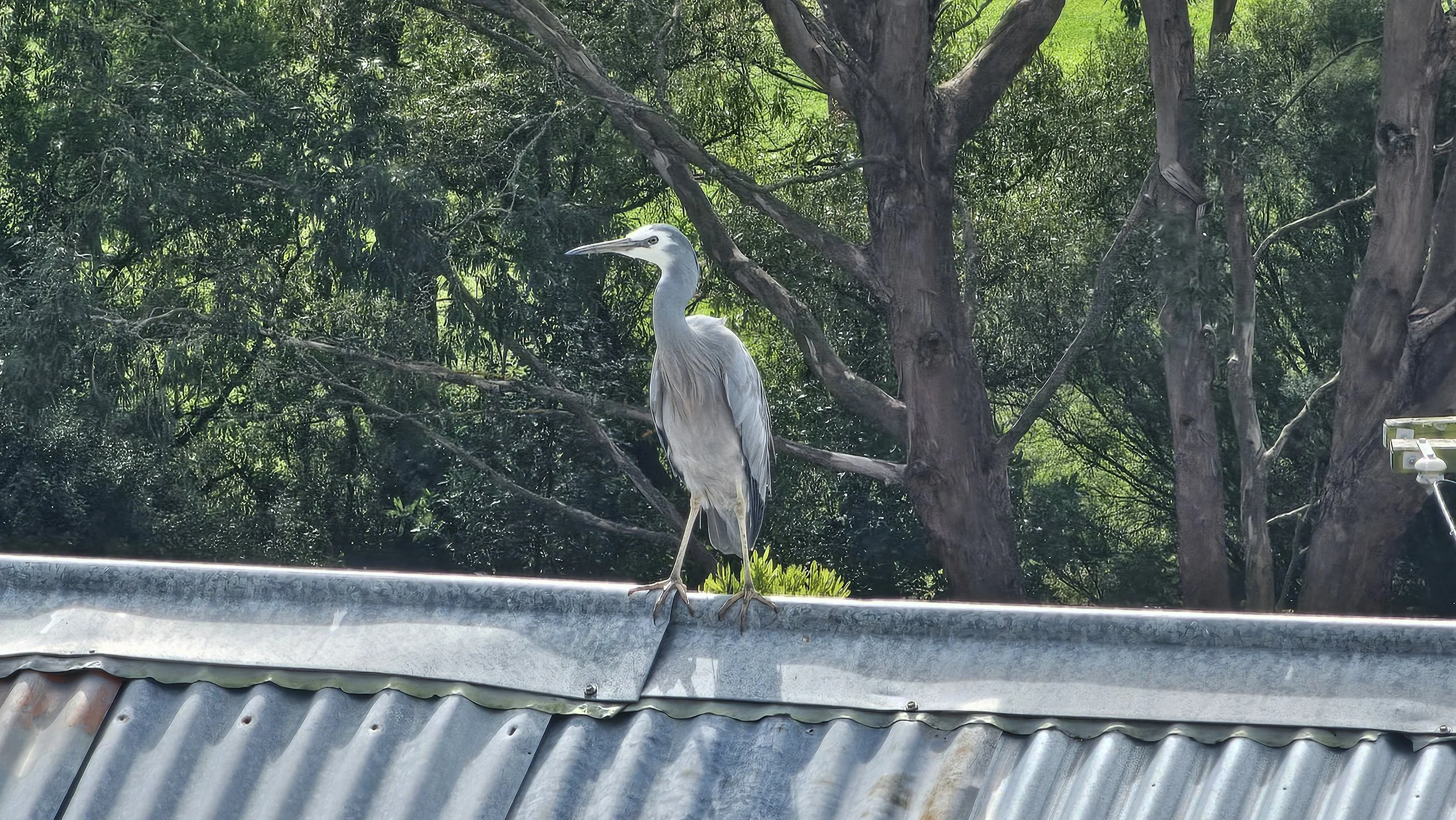
It is hard to picture heavy quarry machinery here now.
During our visit we found wetlands, mature trees, regenerating vegetation and this white-faced heron quietly using the park.
The former industrial landscape now serves as recreation space, habitat and a place to explore the quarry's history.
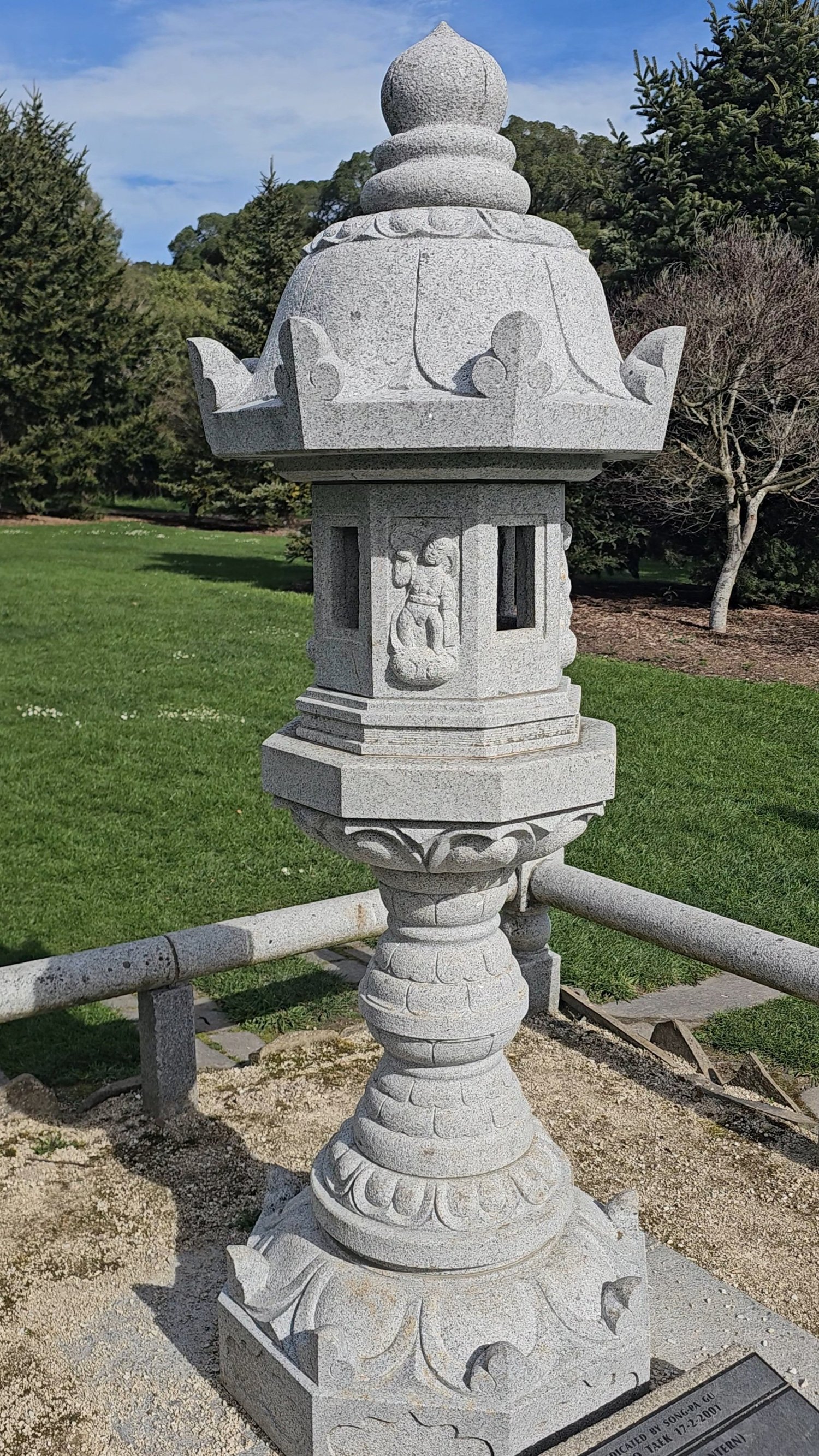
The quarry closed in 1990.
The stone is still here.
Once we had explored the quarry, we headed into central Christchurch to see whether pieces of that hillside were still standing.
Canterbury Provincial Council Buildings
Halswell stone was used in parts of this nationally significant historic complex.
Canterbury Museum
The original museum building used the distinctive blue-grey Halswell basalt.
Roads and public works
Buildings were only part of it. Huge quantities of quarry stone were crushed for roads and other works as Christchurch grew.
A city was built from this hole?
Come through the quarry with us, explore the old remains, wander the Sister City Gardens and then follow the stone into central Christchurch.
 ▶
▶
Useful things to know about Halswell Quarry Park.
Park map
This map helps show how spread out the quarry, gardens, lookout and historic features are. It is one of those places where it helps to understand the layout before you start wandering.
If you like stopping at old structures, reading panels and taking your time like we do, it is worth giving yourself a bit longer than you first expect.
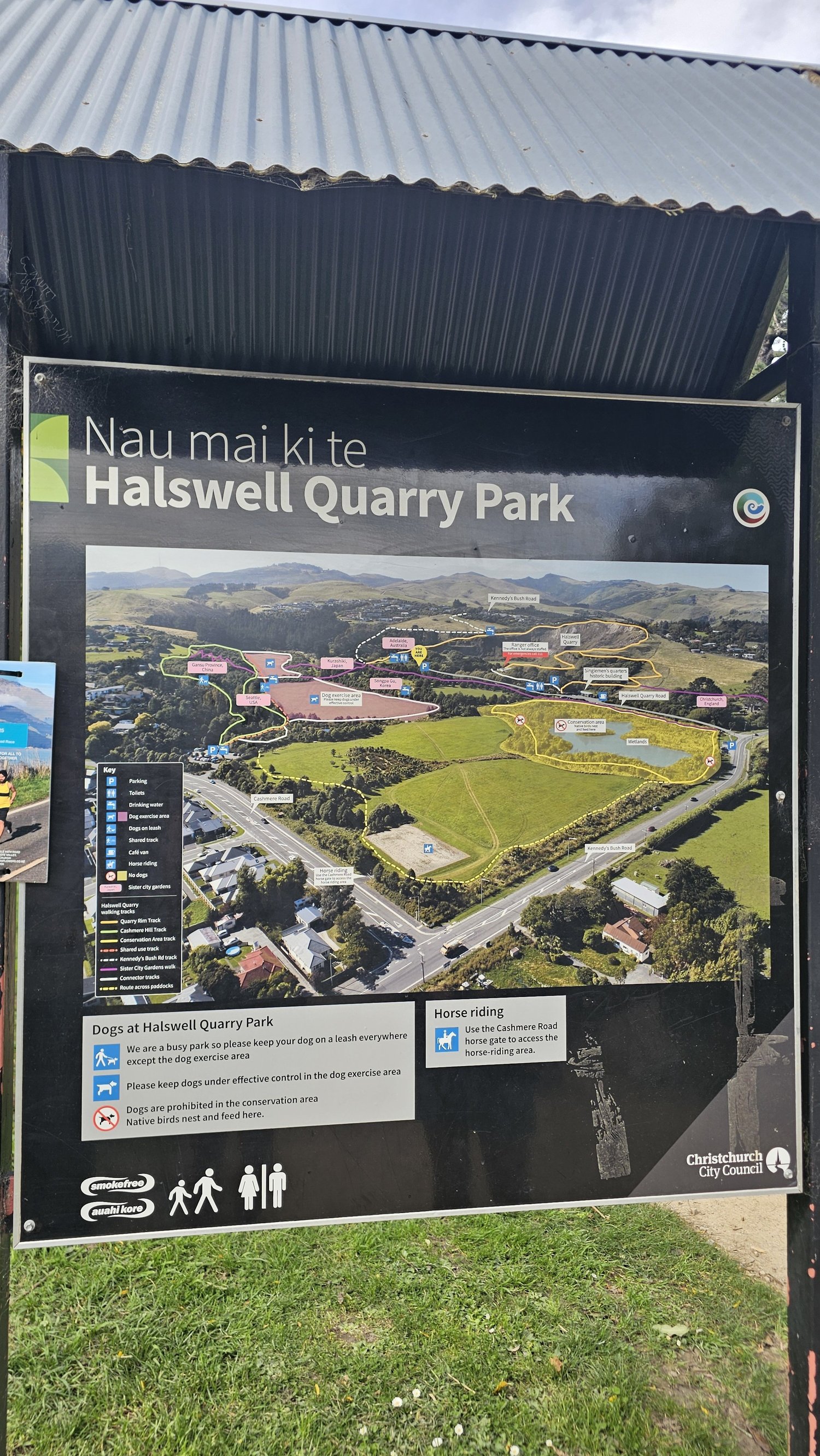
Parking and access
The main park access is from Kennedys Bush Road in Halswell.
Toilets and water
Toilets and drinking water are available within the park.
Walking
There are several walking routes rather than one required loop. We explored the quarry floor, gardens, historic areas and lookout.
Dogs
Dogs can be off leash under effective control only in the designated exercise area. Other areas have different restrictions.
Historic structures
The surviving quarry buildings and industrial remains are part of the site's heritage.
Give yourself time
The quarry, historic areas and gardens are spread out. Reading the interpretation boards can easily turn a short walk into a longer visit.
A few things people usually want to know.
Where is Halswell Quarry Park?
When did Halswell Quarry operate?
What kind of stone came from Halswell Quarry?
Can you still see old quarry buildings?
What are the Sister City Gardens?
Can dogs go to Halswell Quarry Park?
Where can you see Halswell stone in Christchurch?
Official facts and our experience are kept separate.
Historical dates, heritage information, facilities and access information on this page are based primarily on Christchurch City Council material. What caught our attention and what we personally explored comes from our own visit.
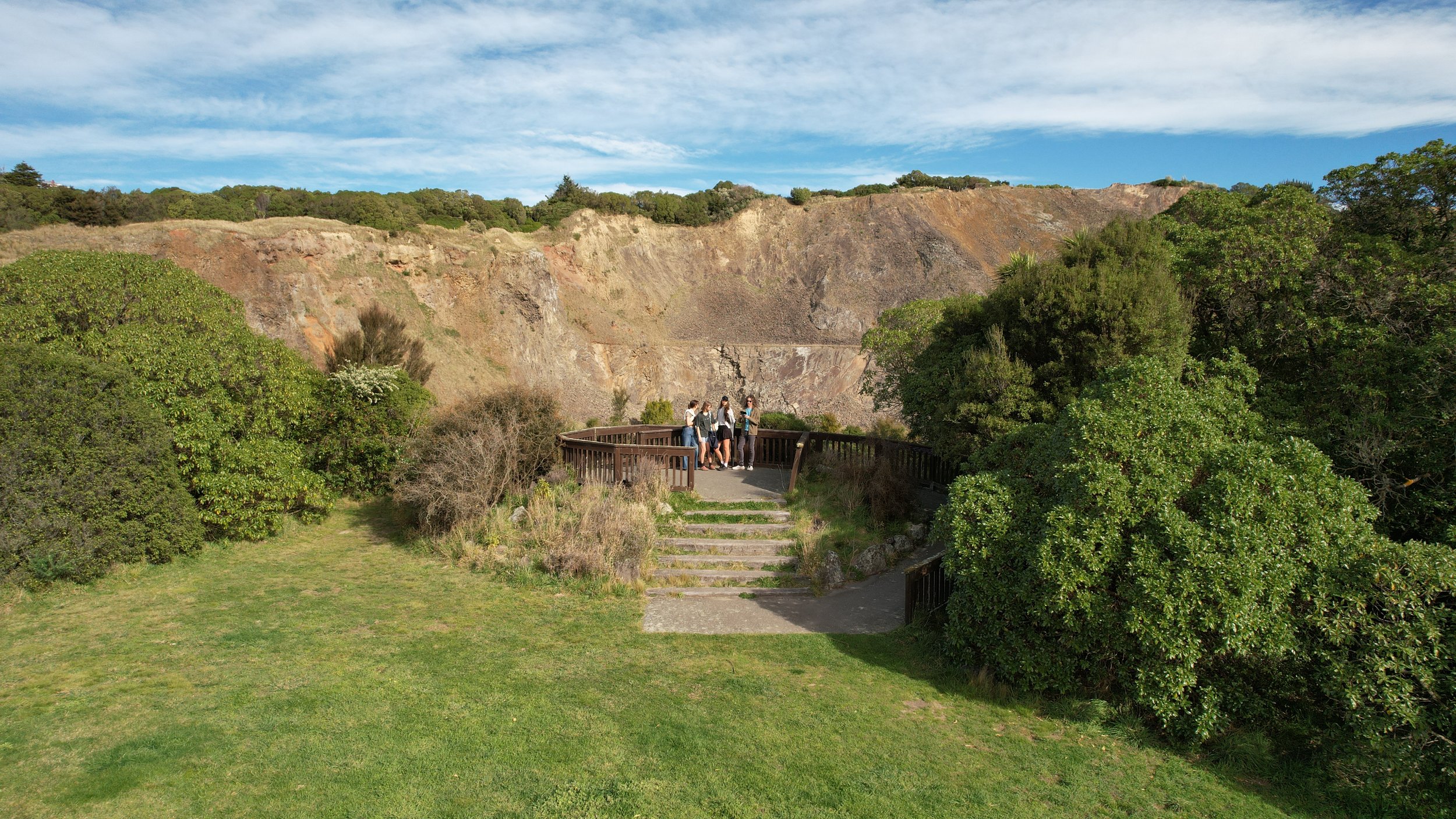
The quarry is gone. Christchurch is still full of it.
It is strange to stand inside a huge hole in a hillside, then drive into the city and realise pieces of that same hill are still standing more than a century later.