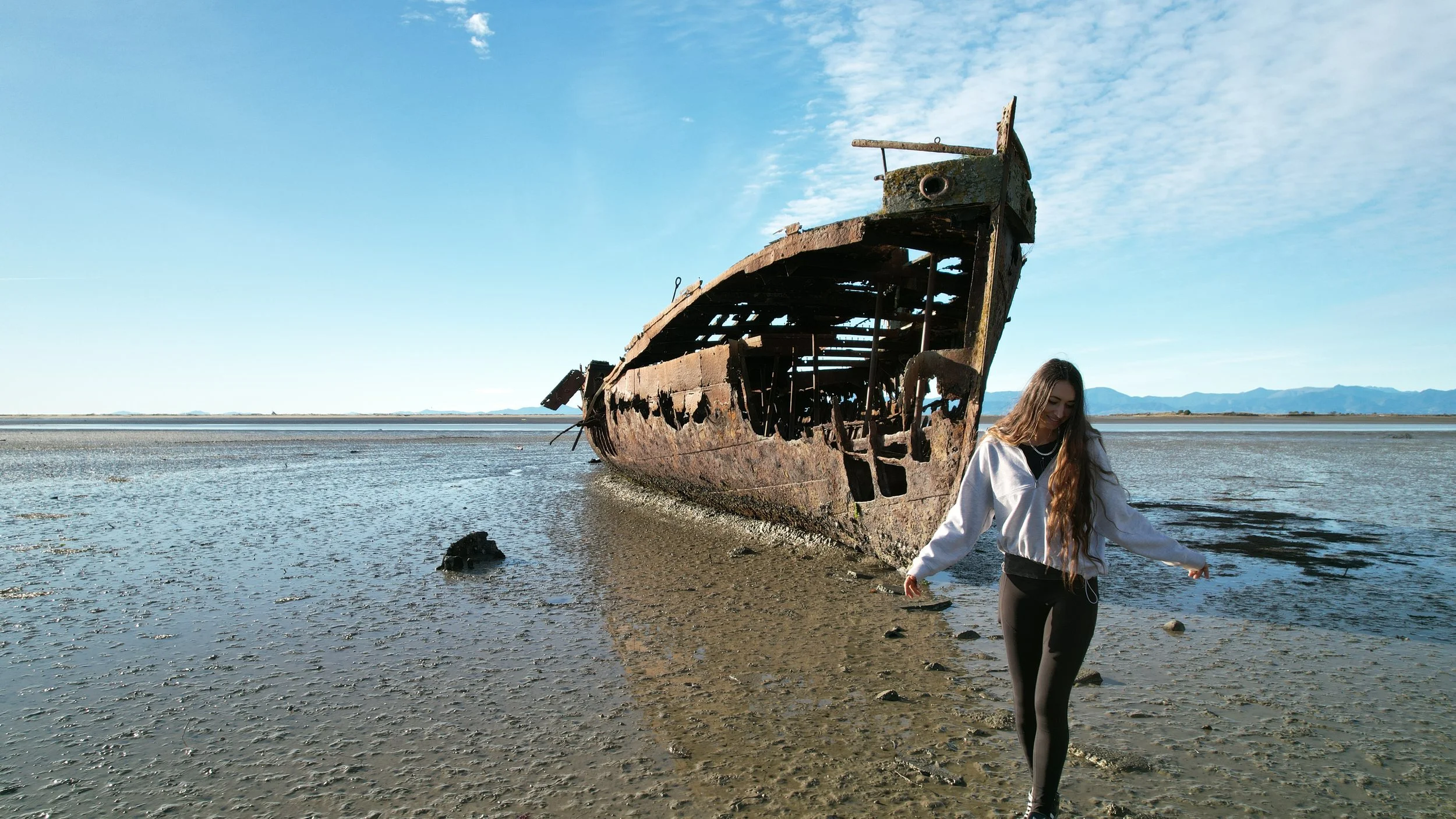

Janie Seddon Shipwreck TWO WORLD WARS. ONE RUSTING HULL.
We stopped for a quick look at an old wreck and found a ship connected to harbour defence, wartime prisoners, New Zealand fishing history and one very strange moment in September 1939.
We thought this would be a five-minute shipwreck stop.
Then we started reading.
It was the final morning of our Nelson Tasman adventure, and Kristine had decided the drive home was going to become our history day. Janie Seddon was the first stop.
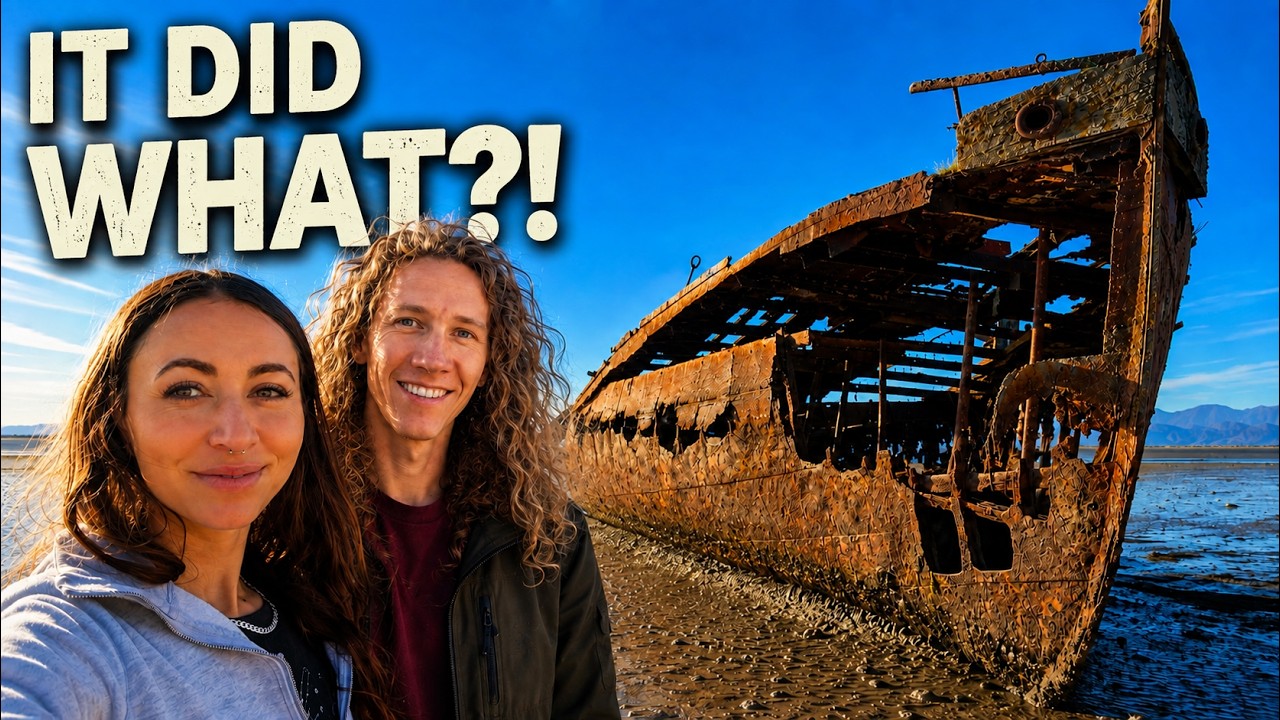
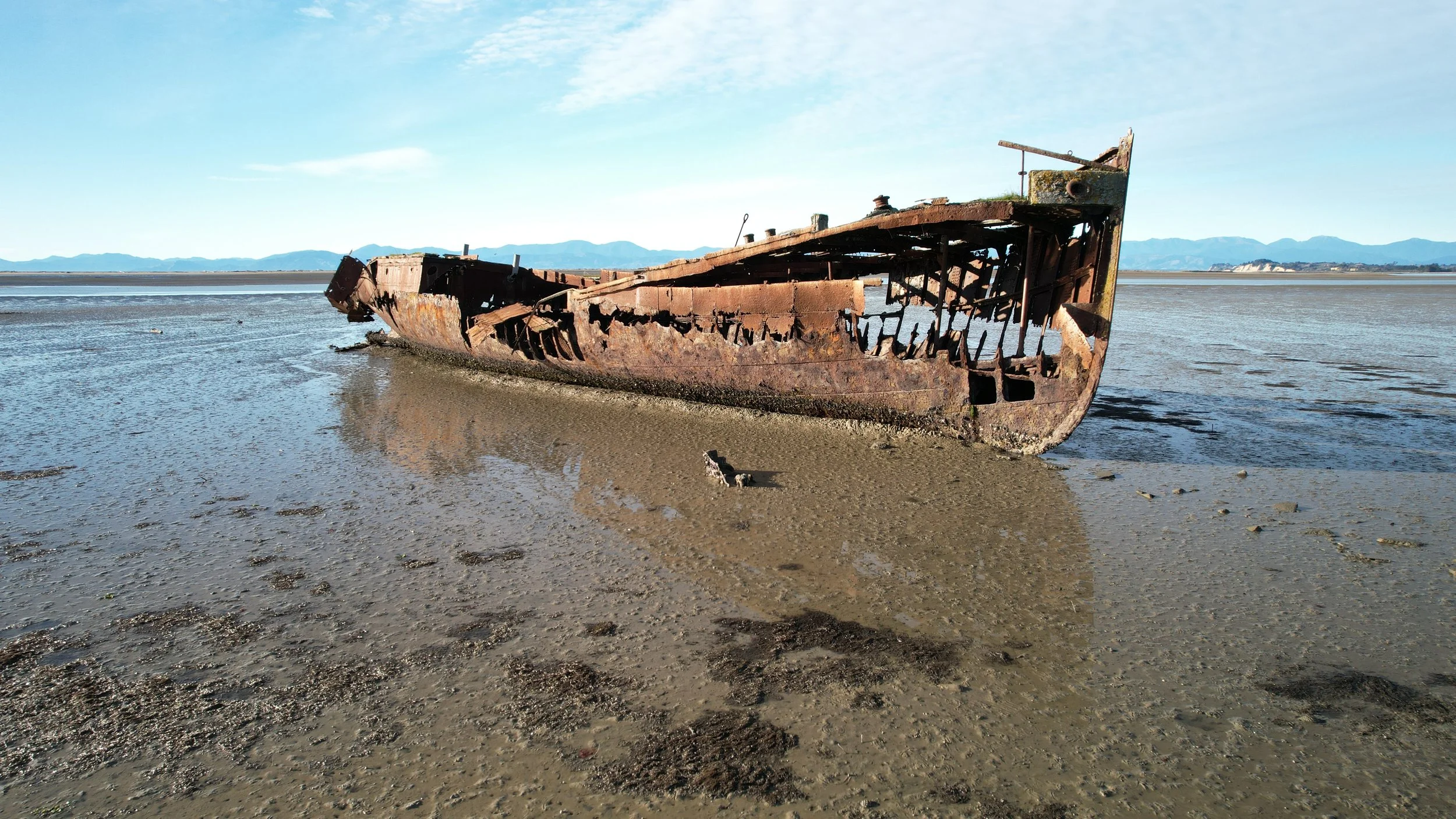
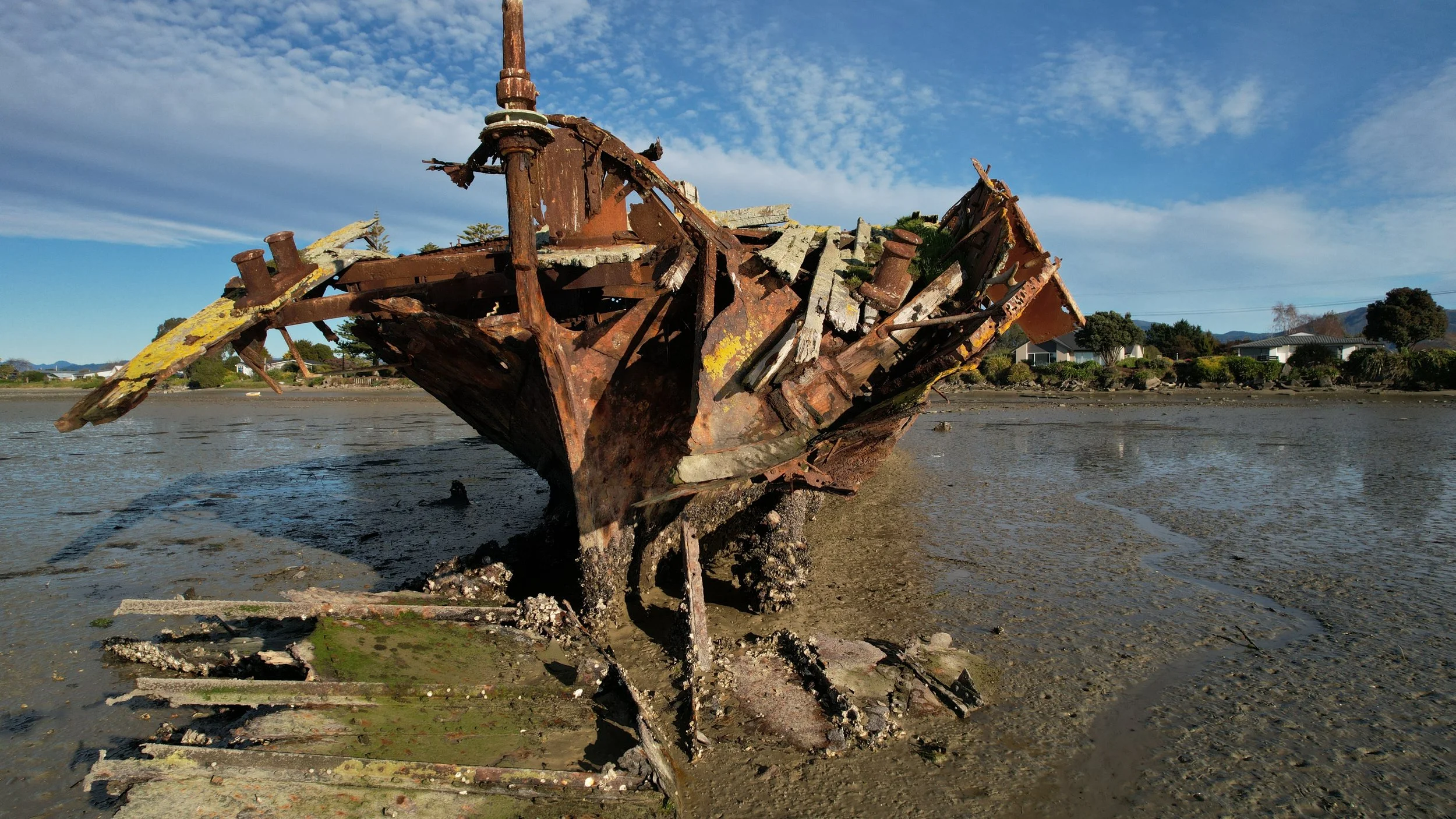
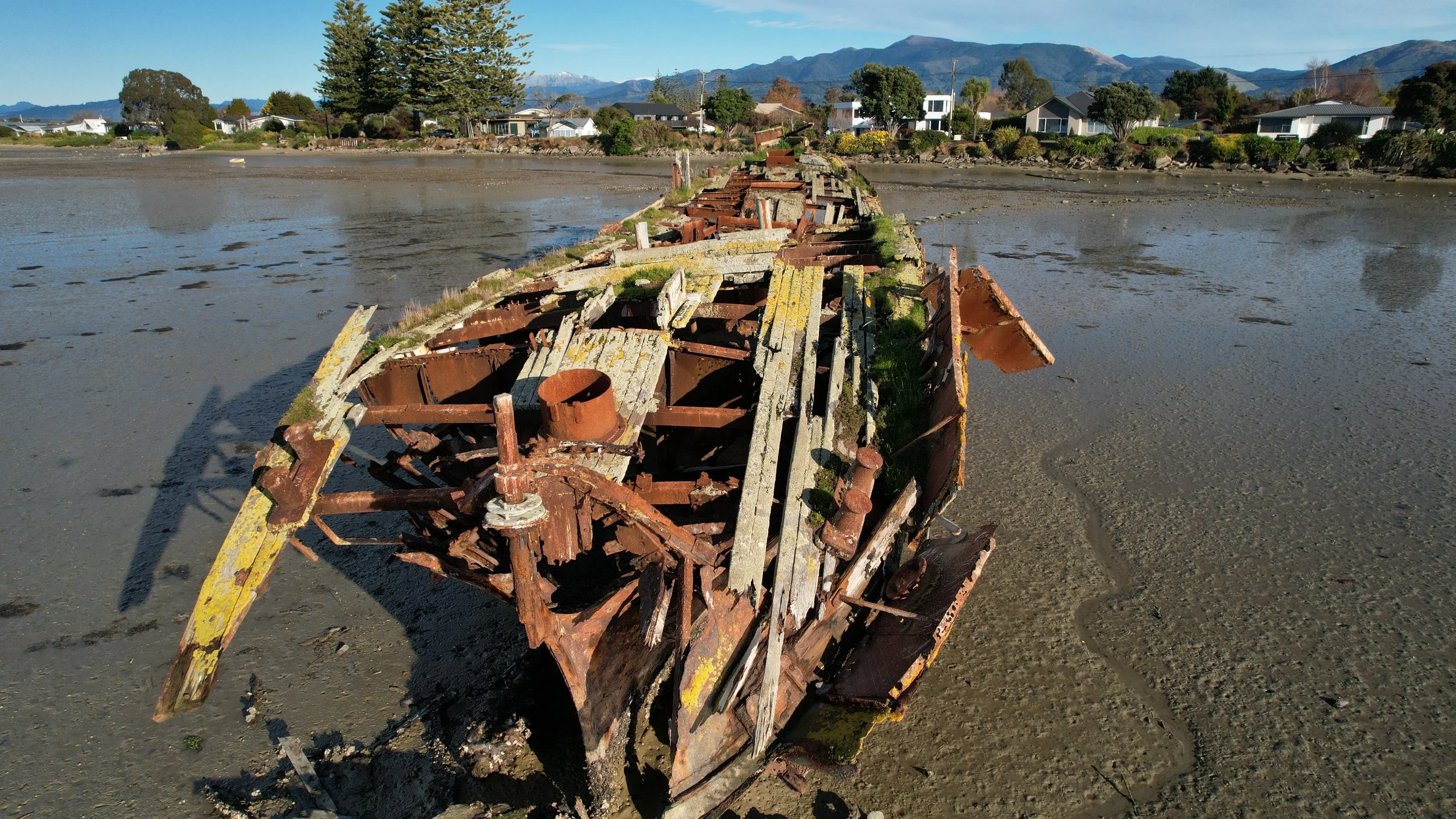
From the foreshore it looks like exactly what it is today: a rusting steel shell slowly disappearing into the landscape. But once we started looking into the ship, the story kept getting bigger.
Harbour defence. Two World Wars. Somes Island. Prisoner transport. Gunnery targets. Talley's early fishing operation. And a persistent story about the opening hours of WWII.
More than an old hull.
The basics behind the wreck sitting on the Motueka foreshore today.
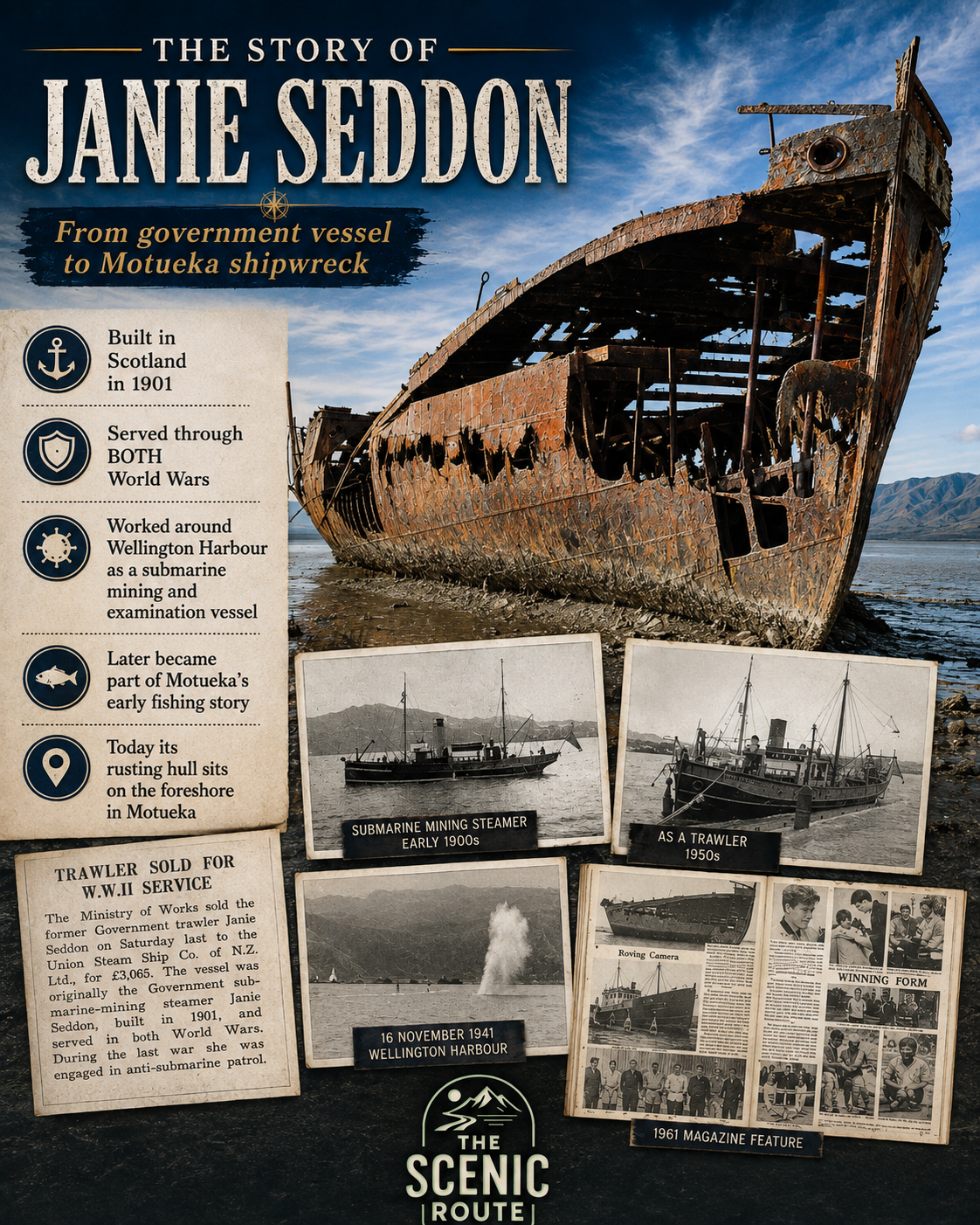
Built at Paisley, Scotland for the New Zealand Government.
Built for harbour defence work around Wellington.
The ship served government and defence roles during both wars.
Worked from Motueka after its military career.
National Library records ownership from 1947.
It sank at its moorings before being moved to the present site.
The wreck sits beside the old Motueka wharf area.
No entry fee is listed for viewing the wreck.
It was built to help defend Wellington Harbour.
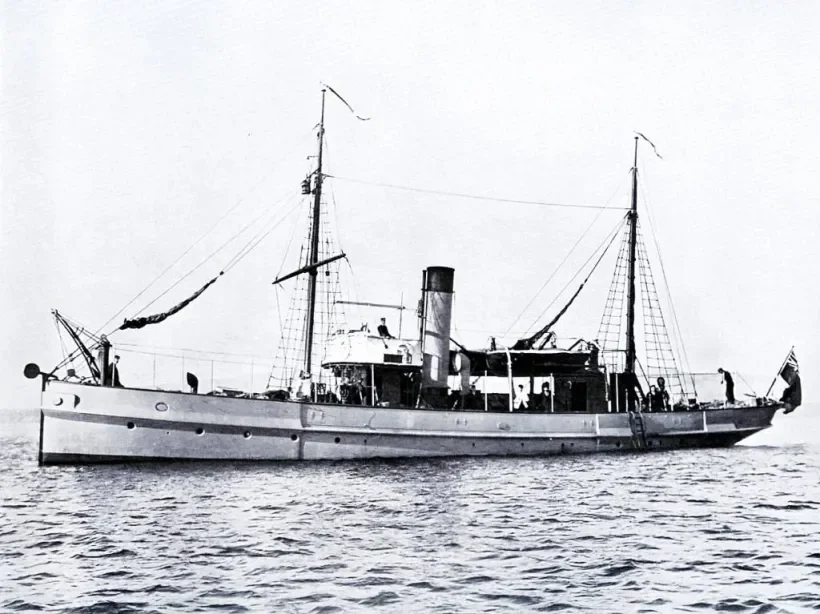
Janie Seddon was not built as a fishing boat. It started life as part of New Zealand's harbour defence system.
Ordered for New Zealand and built at Paisley, Scotland.
The vessel was equipped for laying and recovering underwater defensive mines.
Janie Seddon spent its early government career working around Wellington Harbour.
Somes Island became part of the story.
During World War I, Janie Seddon was used heavily on defence work around Wellington.
Parliamentary records from the period say the ship carried supplies and water to the Somes Island internment camp as well as supporting Wellington's harbour forts.
That means the old wreck in Motueka was once part of the daily movement between the mainland, military defences and one of New Zealand's wartime internment sites.
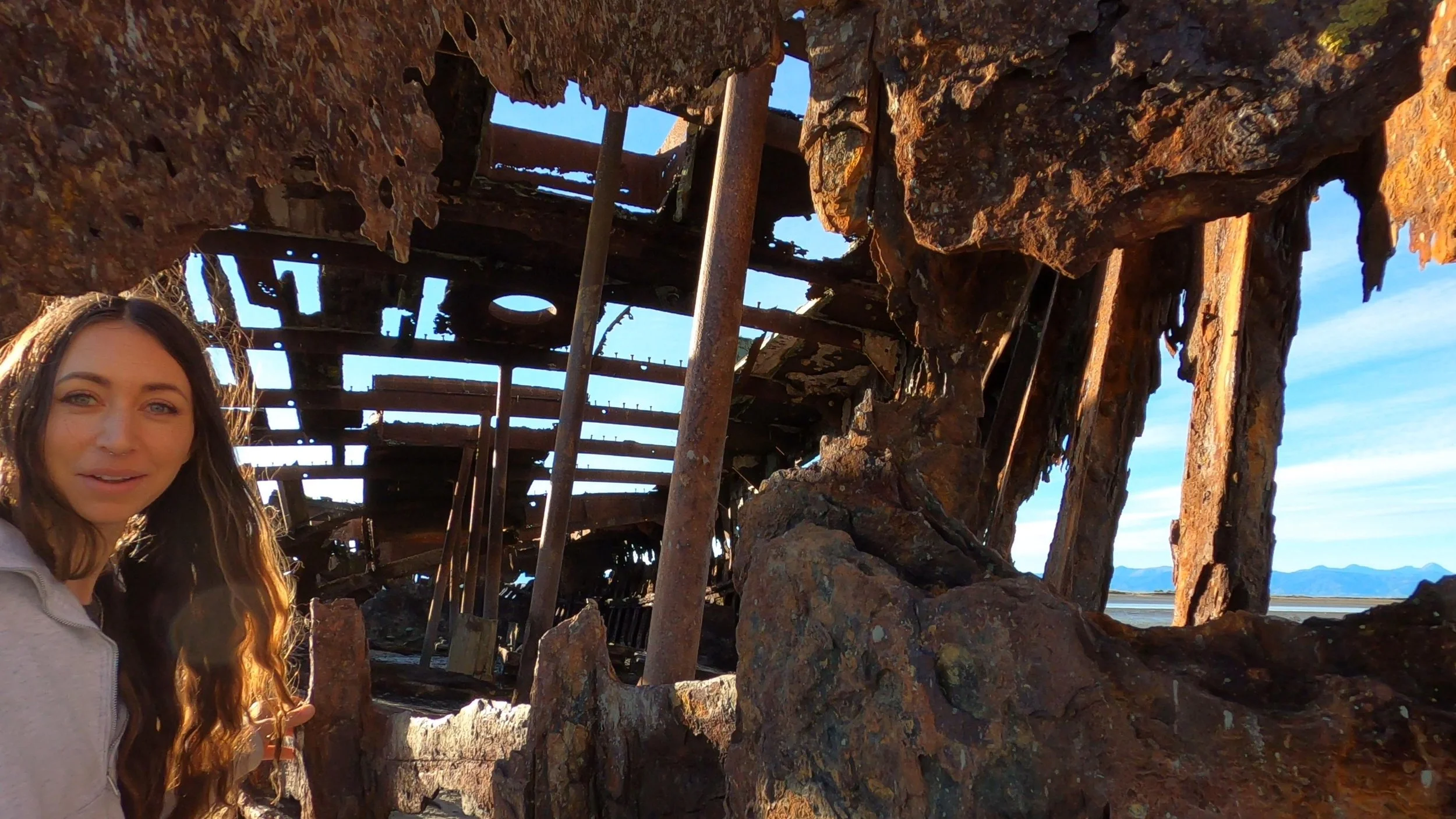
Did Janie Seddon fire the first shots? No.
On 3 September 1939, the British cargo ship City of Delhi entered Wellington Harbour and failed to stop when challenged by the examination vessel Janie Seddon.
The shots did not come from Janie Seddon. They were fired from the Fort Dorset shore battery. A second warning round landed close enough to make City of Delhi stop.
So the wreck did not fire the famous rounds, but its examination duty was directly connected to the incident that caused them to be fired.
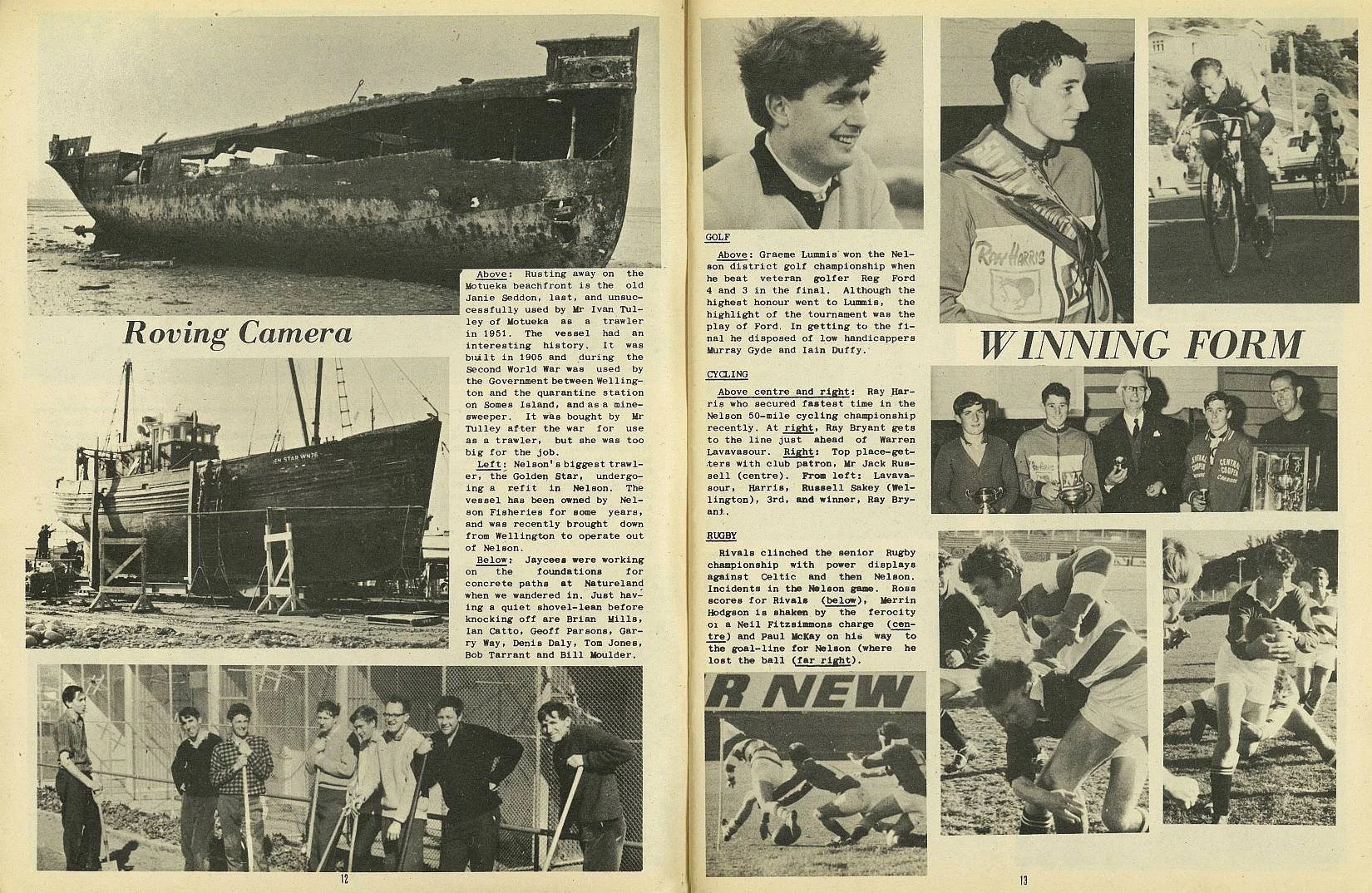
The rusted ribs looked very different when this ship was working.
Seeing older images beside what remains today was one of the things that made the wreck much more interesting for us.
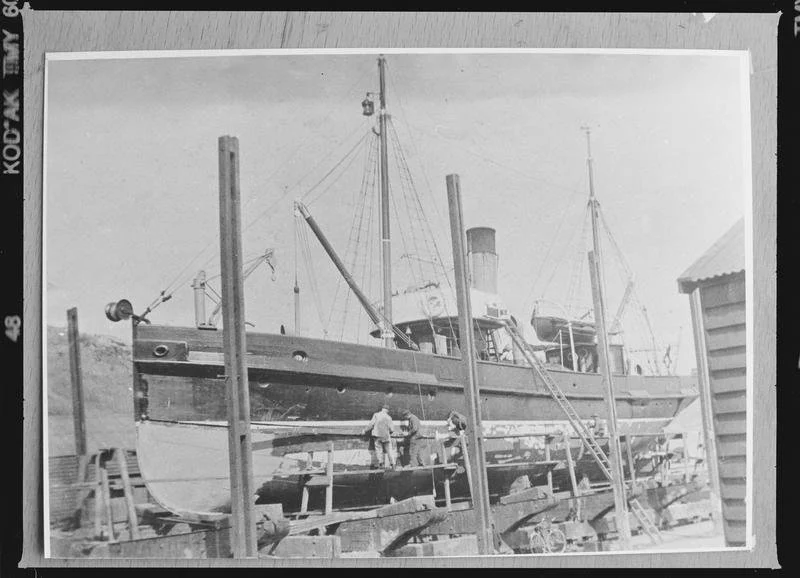
Prisoners, examinations and gunnery practice.
The ship was brought back into defence service when war returned.
National Library records describe Janie Seddon transporting prisoners to Somes Island and towing targets for gunnery practice during the 1939 to 1945 war.
Then the military vessel became a fishing boat.
After decades of government service, Janie Seddon eventually came to Motueka.
National Library records the Motueka Trawling Company as owning the vessel from 1947. Janie Seddon was used in the local fishing operation, connecting the ship to the early history of the Talley family business in Motueka.
But a coal-fired vessel built for harbour defence was not an ideal fishing boat. By 1950 it had been laid up.
It sank at its moorings.
Heritage New Zealand records the ship being beached at its present location in 1953 after sinking while moored.
Useful parts were stripped away, leaving the steel hull behind. Decades of weather, salt water and corrosion have slowly opened the ship up.
What remains is basically the skeleton of the vessel we were looking at in the old photographs.
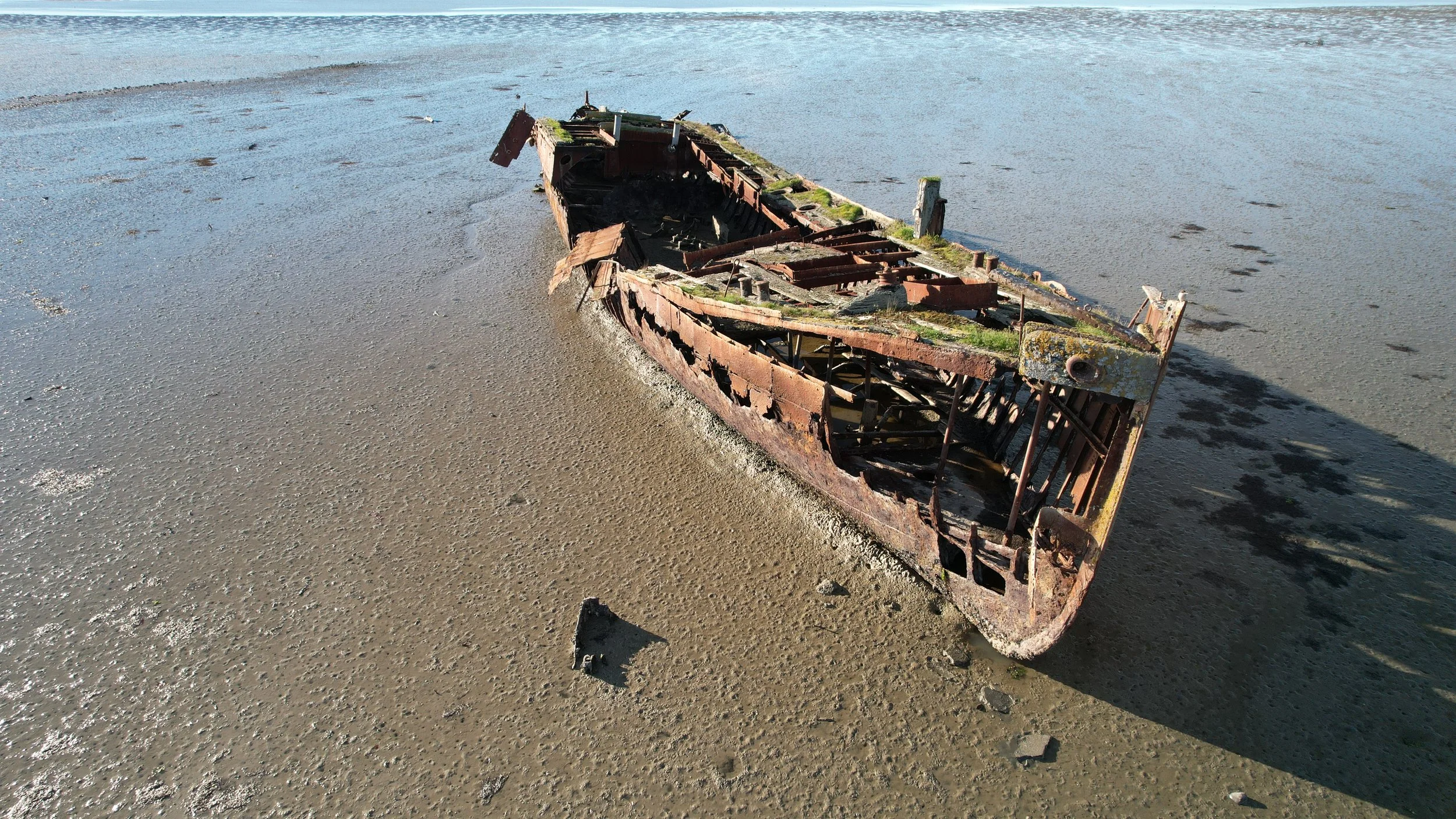
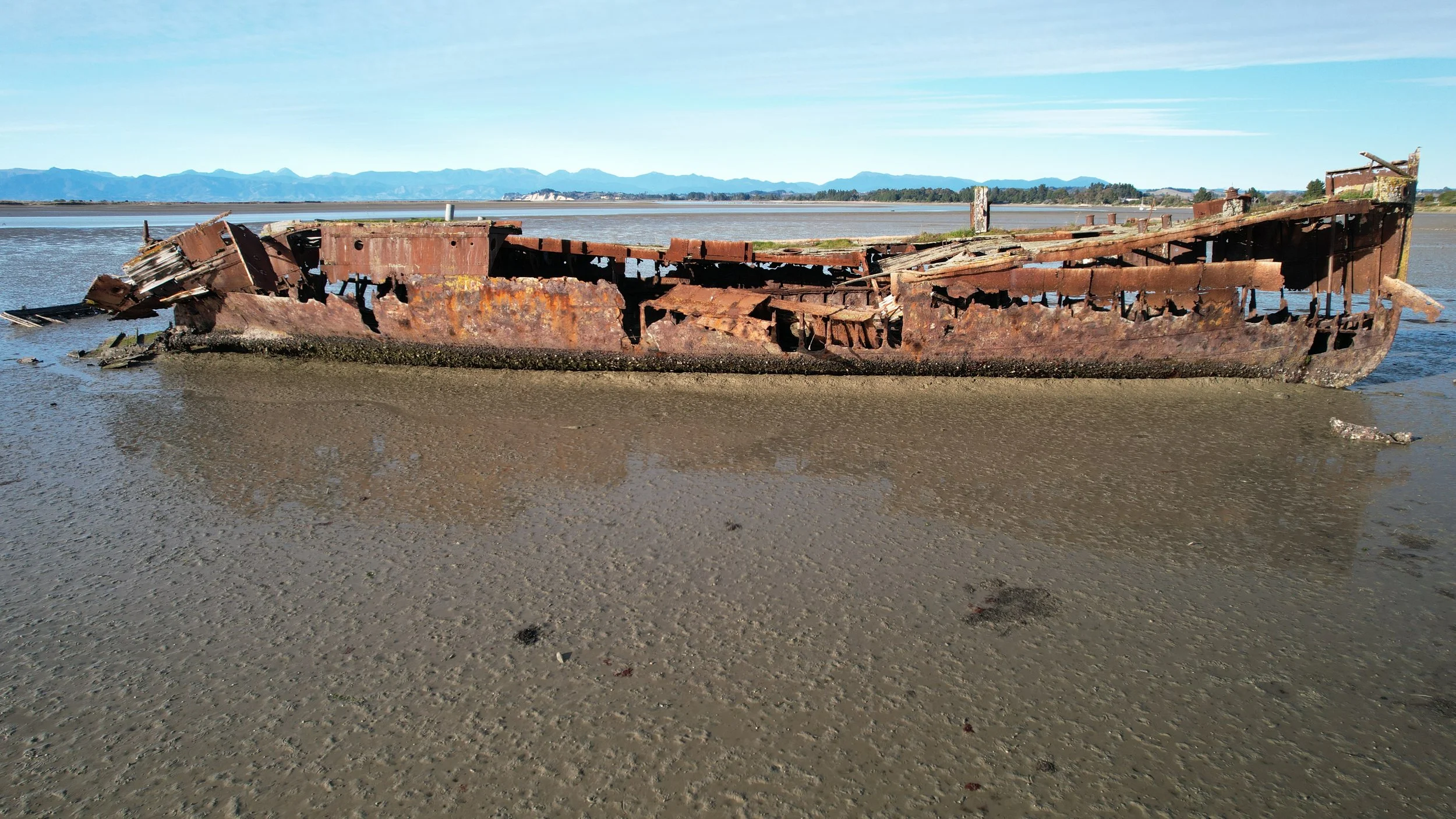
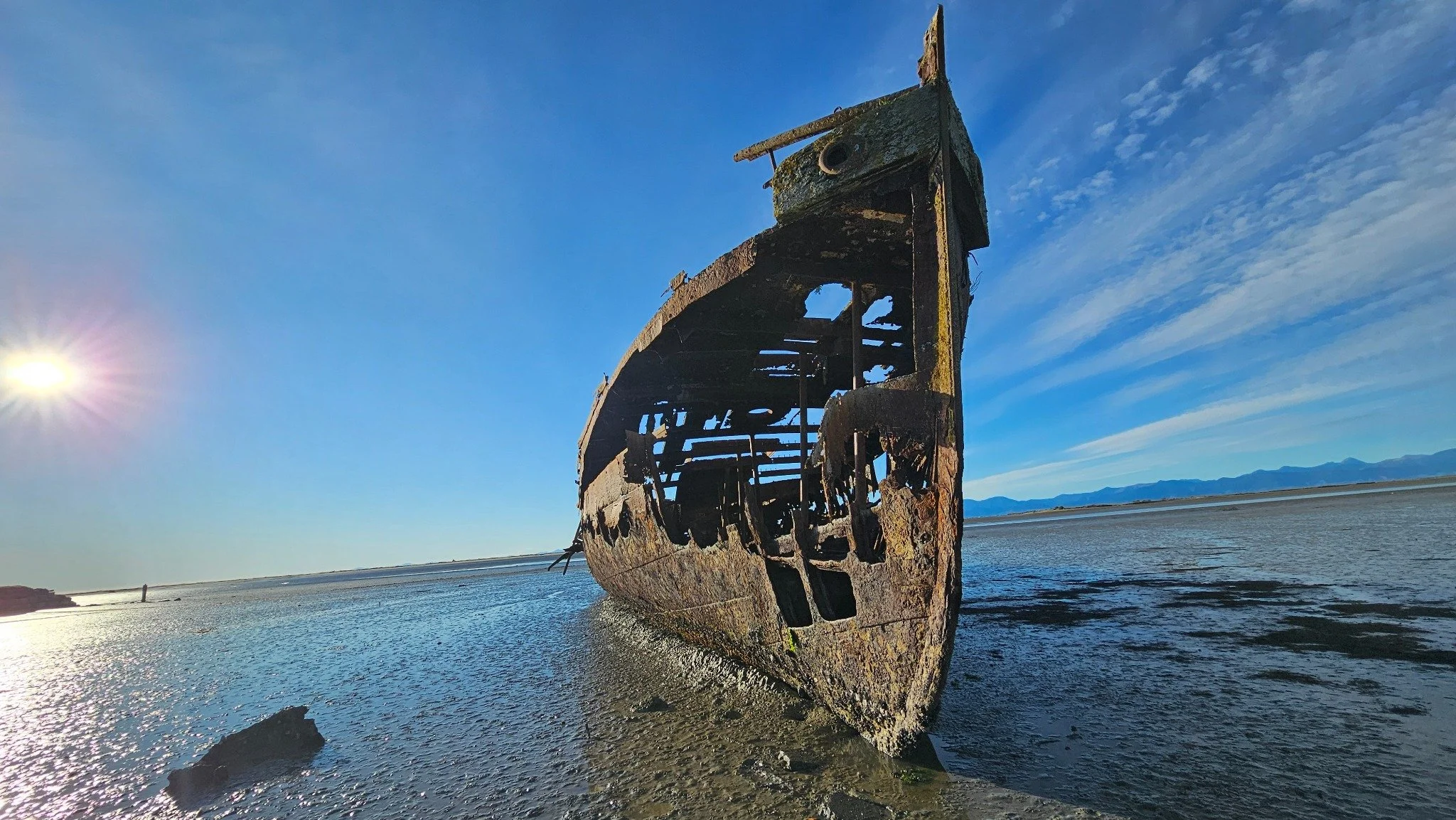
The wreck changes completely depending on the angle.
From above you can finally see the shape of the ship, the exposed ribs and just how little of the original vessel is still standing.
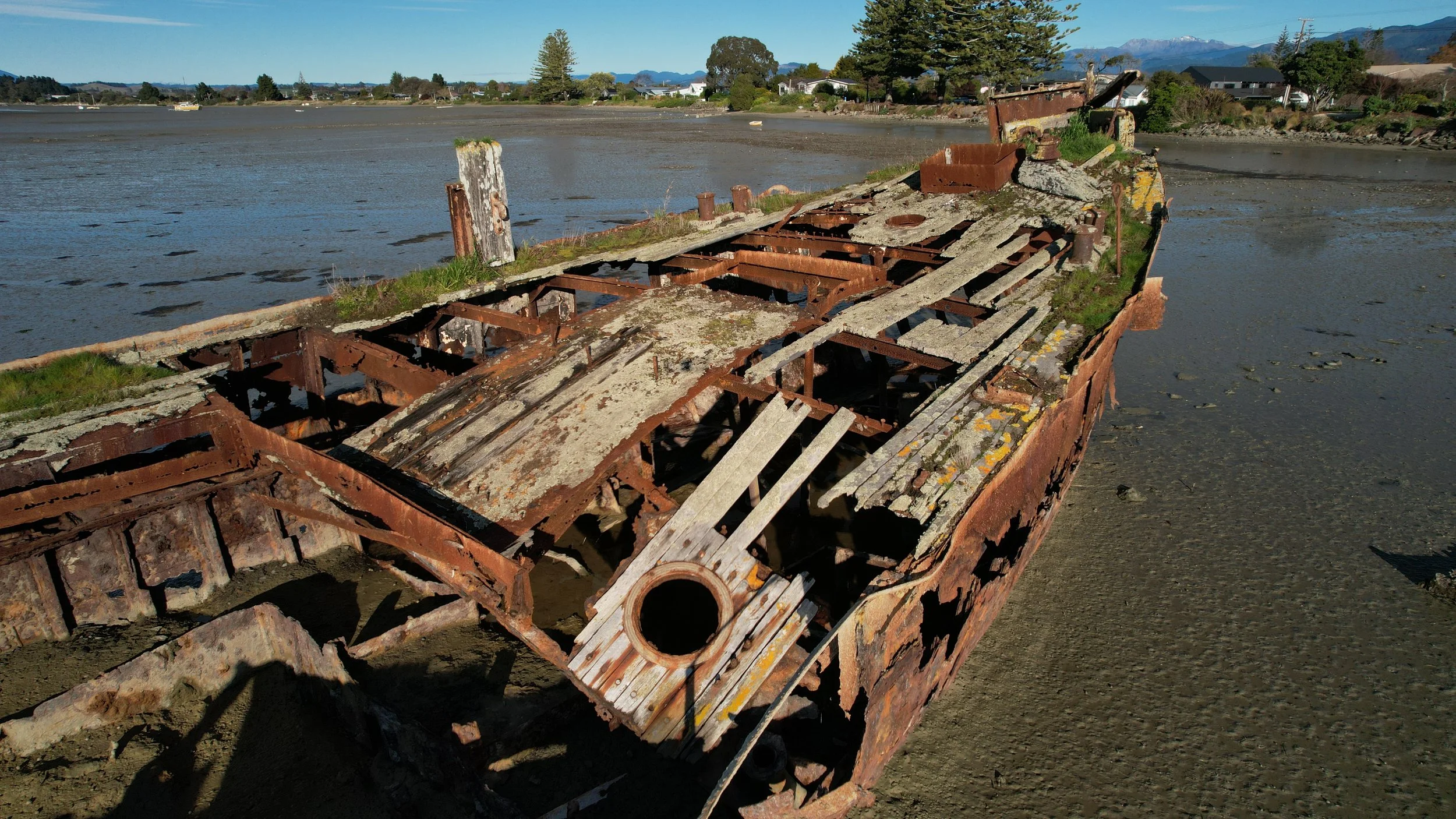
Mud definitely became part of the experience.
We visited roughly an hour from low tide.
During our visit, the ground around the wreck was muddy and we followed a rough line of stones people had placed through part of the foreshore.
That is our experience from one visit, not a guarantee of what access will look like for everyone. Tides, weather and mud can change the foreshore quickly.
About one hour from low tide.
Muddy around the wreck.
Seeing the surviving ribs and hull up close.
How much history was attached to one wreck.
Easy to find. A little messier once you get close.
Current visitor information was rechecked 8 September 2026.
Nelson Tasman lists the wreck at Motueka Quay, Motueka 7120.
There is no listed admission fee for viewing the wreck.
Our visit involved muddy ground near the wreck.
We were close to low tide. Do not assume our access conditions will match yours.
Official visitor information tells people not to climb inside or on top of the wreck.
A quick stop becomes much more interesting once you know the ship's story.
We got close enough to look at the hull during our visit, but Nelson Tasman's current advice is not to climb inside or on top of Janie Seddon.
Janie Seddon FAQ
Where is the Janie Seddon shipwreck?
When was Janie Seddon built?
What was Janie Seddon originally used for?
Did Janie Seddon serve in both World Wars?
Did Janie Seddon fire the first shots of World War II?
What did Janie Seddon do at Somes Island?
Was Janie Seddon a Talley's fishing boat?
How did Janie Seddon become a shipwreck?
Can you climb on the Janie Seddon wreck?
Do you need low tide to visit Janie Seddon?
Ship construction, ownership and wartime service were checked against National Library of New Zealand records, Papers Past parliamentary records and contemporary material. The 1939 City of Delhi incident was checked against National Library and historic records confirming the warning rounds came from Fort Dorset. The present location and wreck history were checked with Heritage New Zealand and official Nelson Tasman visitor information. Mud, tide timing and our reactions are from our own visit.
Much more than we expected.
We came because an old shipwreck sounded interesting. We left wondering how one rusting hull had managed to collect this many completely different stories.
From harbour defence and two World Wars to Somes Island, Motueka fishing and the City of Delhi incident, Janie Seddon turned into exactly the kind of accidental history stop we love finding.